Otto Albrecht · 28 October 2026
Cooperatives in Mountain Towns Launch Training for Eco-Conscious Mantelpiece Builders
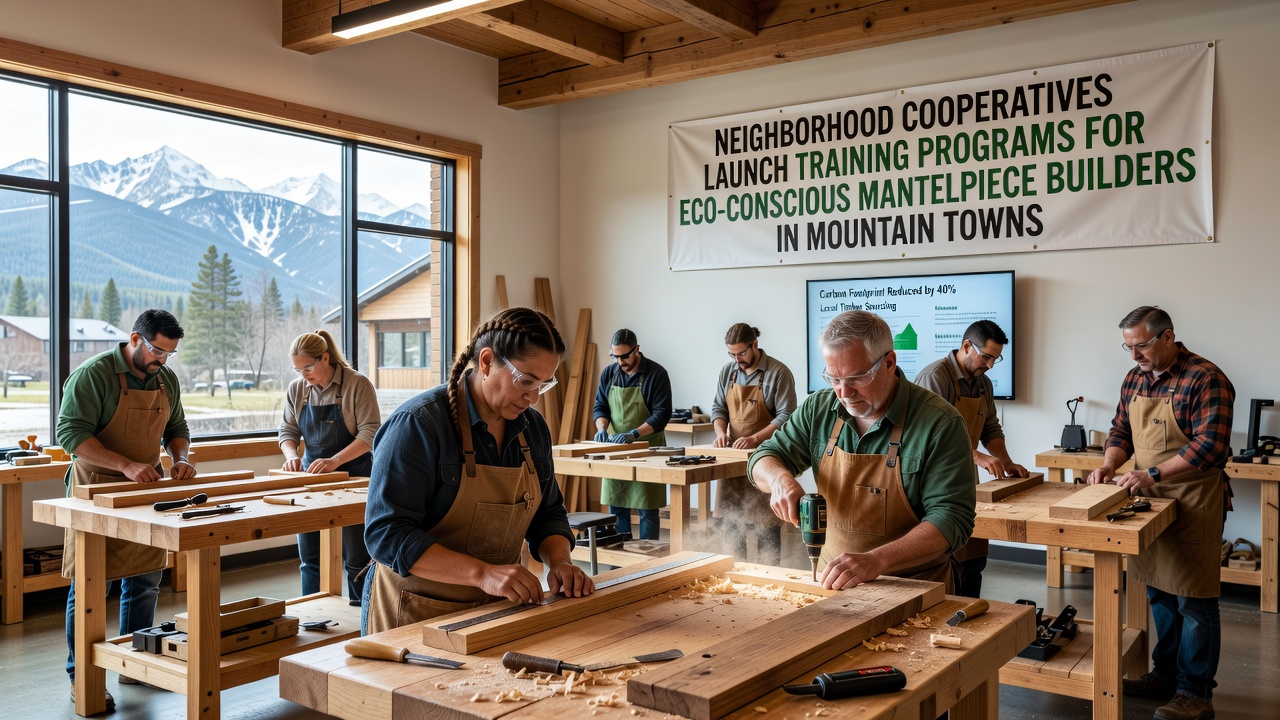
Neighborhood cooperatives across several mountain regions have begun rolling out structured training programs aimed at teaching participants how to build mantelpieces using environmentally responsible materials and methods. These initiatives focus on local sourcing of wood, stone, and recycled components while addressing the specific challenges of high-altitude climates and limited resource access. Programs emphasize techniques that reduce waste and energy consumption during construction, and they incorporate traditional building knowledge from long-term residents in areas like the Rockies and the Appalachians. Participants learn to select materials that maintain thermal efficiency in cold winters, which aligns with broader efforts to lower household energy demands in remote communities. Training sessions cover topics such as identifying sustainably harvested timber, integrating passive solar design elements into mantelpiece structures, and applying finishes derived from natural pigments. Sessions run in small groups to allow hands-on practice, and they often pair newcomers with experienced craftspeople who have worked in the region for decades. Data from regional forestry agencies shows that mountain towns have seen increased interest in localized production of home features since supply chain disruptions in 2023, and these cooperatives respond by building skills that keep work within the community. One study from the University of British Columbia found that cooperative models in similar terrain improved material reuse rates by 35 percent compared with standard construction practices.Program Structure and Timeline
Each cooperative operates on a modular schedule that runs through the fall months, with core modules completed before winter weather limits outdoor work. The first cohorts started orientation in late summer 2026, and full training cycles are scheduled to conclude in October 2026 when participants present finished mantelpieces for community review.
Modules include classroom segments on building codes relevant to mountain zones, followed by field exercises at local quarries and sawmills. Cooperatives coordinate with land management offices to ensure all sourcing complies with current environmental regulations, and they maintain records that track the origin of every component used in training projects. Participants also receive instruction on documenting their processes for future reference, which creates a growing archive of region-specific methods. This documentation supports replication in neighboring towns where similar terrain and climate conditions exist.Community Partnerships and Resource Sharing
Local businesses supply tools and raw materials at reduced rates through agreements negotiated by the cooperatives, and some programs offer shared equipment libraries that lower startup costs for graduates. Partnerships with regional conservation groups provide access to educational materials on biodiversity protection during material harvesting.
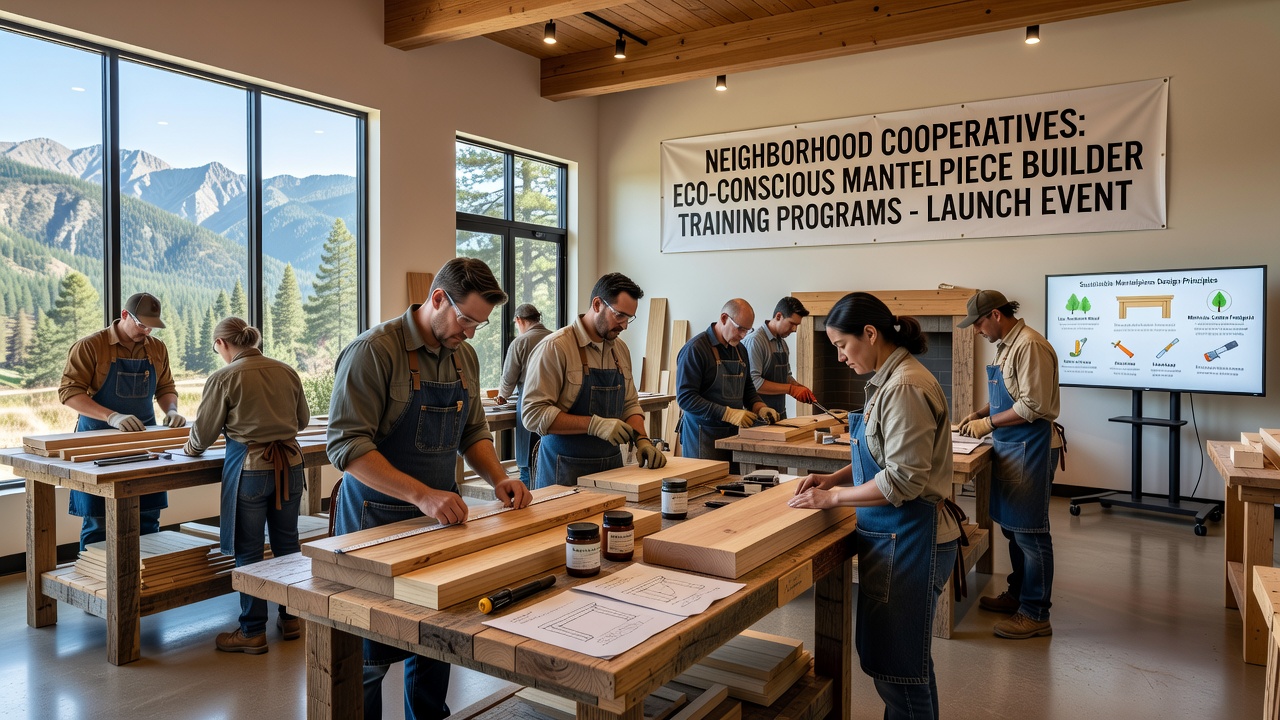 Observers note that these arrangements create feedback loops where completed projects feed back into the training curriculum as case examples. Graduates often return as mentors, which expands the pool of instructors without requiring outside hires.
Skill Development and Long-Term Outcomes
Training emphasizes measurement and planning skills that help builders adapt designs to uneven stone foundations common in older mountain homes. Participants practice calculating load-bearing requirements while factoring in snow accumulation patterns that affect structural stress over time.
Figures from the U.S. Forest Service indicate that communities with active cooperative programs report higher rates of material recycling in residential renovations, and training graduates contribute to this trend by prioritizing reclaimed elements in their mantelpiece designs. The approach aligns with guidelines from the Australian Sustainable Built Environment Council on reducing embodied carbon in small-scale construction projects.
Cooperative leaders track post-training employment by surveying participants six months after completion, and early data shows that many apply their skills in local restoration projects or start small-scale production workshops. This pattern supports continued funding from regional development grants that prioritize skill-building in rural economies.Conclusion
Neighborhood cooperatives continue to refine their training offerings based on participant feedback and material availability reports collected throughout each cycle. As October 2026 approaches, additional towns in comparable mountain settings review the model for possible adoption, which could expand the reach of these programs beyond the initial pilot locations.