Sam Jung · 11 November 2026
Forging Legends: Blacksmith Workshops Create Myth-Inspired Andirons for Modern Hearths
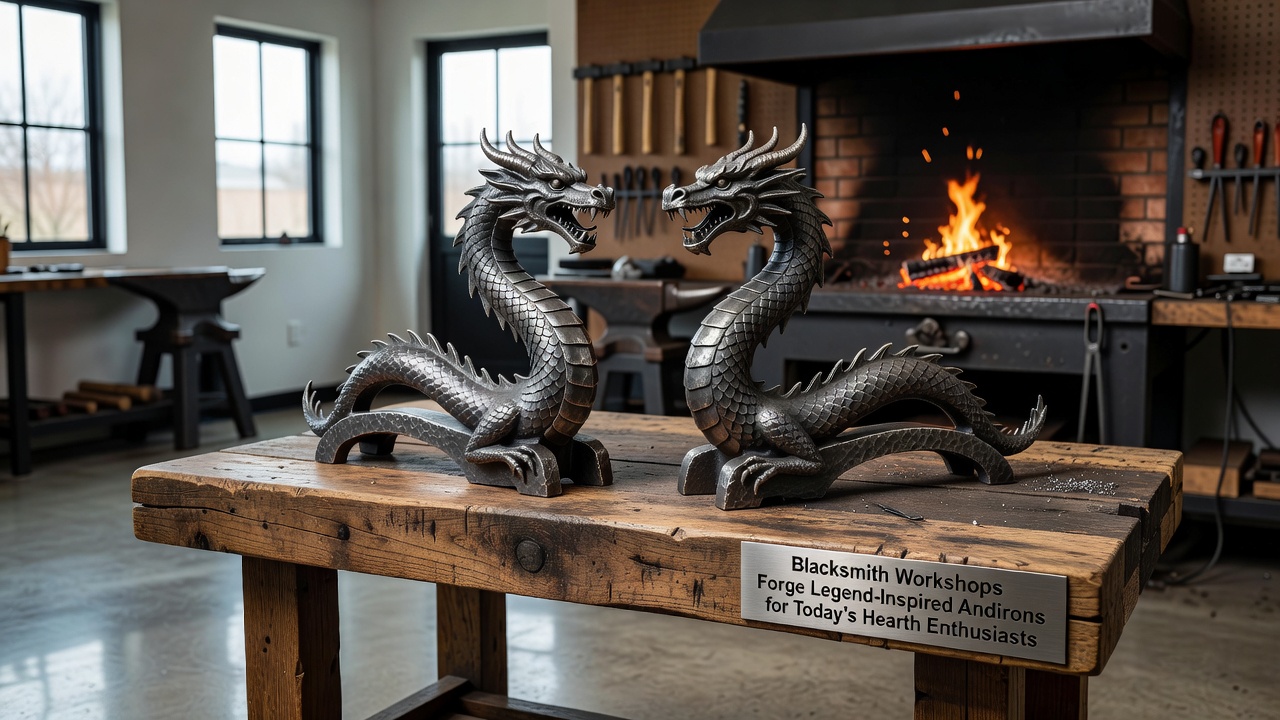
Blacksmith workshops across several regions continue to produce andirons that draw directly from historical legends and folklore, and these pieces serve both functional and decorative roles in contemporary homes. Craftspeople combine traditional forging methods with narrative elements from ancient tales, which results in andirons that feature motifs such as dragons, Celtic knots, Norse runes, and medieval beasts. Data from craft registries shows steady demand for these items among homeowners who maintain active fireplaces or wood stoves, particularly as interest in heritage crafts grows.
Historical Roots of Andiron Design
Andirons have supported logs in hearths since Roman times, when iron bars kept fuel elevated for better airflow, and this basic principle remains unchanged in modern versions. Observers note that blacksmiths in the medieval period began incorporating symbolic imagery, such as griffins or heraldic animals, which reflected the stories and beliefs of their communities. By the 18th century, American and European forges produced andirons with simpler scrollwork alongside more elaborate narrative scenes, according to records maintained by historical preservation groups.
Research from metalworking archives indicates that these functional objects often carried cultural meaning, and the practice of embedding legends into metalwork has persisted through apprentice systems that pass down both technique and storytelling elements. In regions like the Appalachian Mountains and parts of Scandinavia, local legends continue to influence patterns still used today.
Current Workshop Practices and Techniques
Modern blacksmiths employ gas forges alongside coal-fired ones, which allows precise temperature control during the shaping of heavy stock iron. They start with base plates and upright supports, then weld or rivet decorative elements that reference specific myths, such as the serpents from Norse sagas or the eagles from Indigenous North American stories. Multiple heating and hammering cycles shape each component, and final finishing includes oil quenching or patina applications that protect the metal while enhancing visual depth.
Workshops in the Pacific Northwest and parts of Australia have adapted these methods to incorporate regional legends, and participants in organized sessions learn both the physical skills and the historical context behind each design choice. Figures from trade associations reveal that enrollment in such programs increased notably between 2024 and 2026, driven by renewed interest in hands-on crafts.
Legendary Inspirations in Contemporary Pieces
Designs frequently reference well-documented tales, including the Welsh story of the red dragon or the Greek account of Hephaestus at his forge. Blacksmiths translate these narratives into three-dimensional forms by twisting bars into scale patterns or carving faces into the iron before final assembly. One documented example from a Vermont workshop features andirons modeled after the Green Man motif, complete with leaf details that emerge from the metal surface through careful chasing techniques.
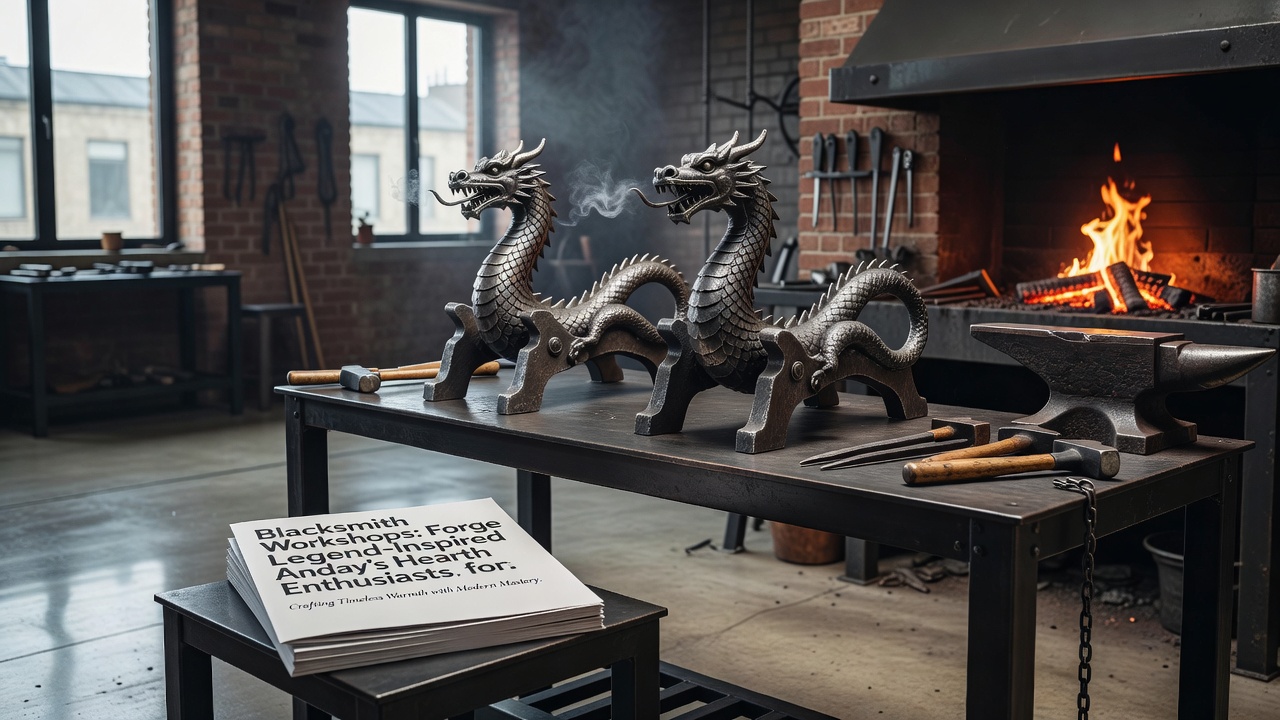
Those who study material culture point out that such pieces function as conversation starters in homes, and the connection to stories provides an additional layer beyond mere utility. In November 2026, several North American guilds plan demonstrations that highlight these narrative elements, allowing visitors to observe the forging process from raw bar to finished andiron.
Training Programs and Community Impact
Apprenticeship models remain central to skill transmission, with established forges offering multi-week courses that cover both technical forging and research into source legends. Participants examine primary texts and museum collections before sketching their own designs, which ensures the final products respect the original cultural references. Data compiled by international craft councils shows that graduates of these programs often establish small studios, contributing to local economies in rural areas where traditional trades support tourism and heritage events.
Collaboration between blacksmiths and historians has produced documented case studies of andiron sets that accurately reflect 12th-century European examples while meeting current safety standards for fireplace use. These partnerships rely on archival drawings and metallurgical analysis to guide material selection and construction methods.
Market Trends and Availability
Online marketplaces and direct studio sales account for most transactions involving legend-inspired andirons, and prices typically range according to size, complexity, and material grade. Custom commissions allow buyers to request specific mythological themes, which extends production timelines but results in unique pieces. Industry reports from metal arts organizations note that demand remains consistent year-round, with seasonal peaks around the cooler months when hearth use increases.
Workshops also supply architectural salvage dealers who restore historic homes, and these andirons must match existing period hardware in both style and proportion. Coordination with preservation offices ensures compliance with guidelines that protect original fireplace features.
Conclusion
Blacksmith workshops continue to merge legend-based imagery with practical hearth hardware, and the resulting andirons serve households that value both functionality and cultural connection. Ongoing training programs, scheduled demonstrations in late 2026, and documented historical research support the continued production of these items across multiple regions. The craft maintains its place in contemporary settings through precise technique and respect for source stories.