Morgan Washington · 16 September 2026
Local Potters Weave Regional Legends into Handcrafted Fireplace Tiles
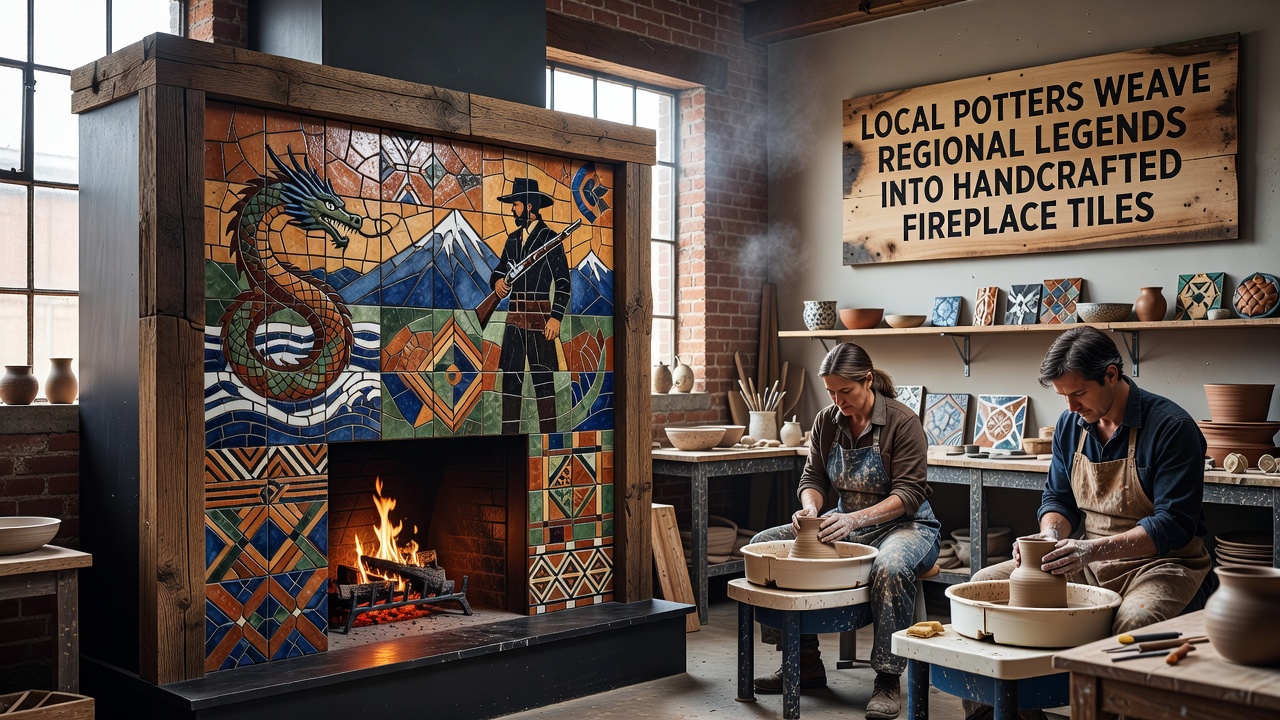
Artisans across several regions continue to embed stories from local folklore directly into the surfaces of fireplace tiles they produce by hand, and this practice draws on centuries-old techniques while adapting to contemporary production methods. Potters select legends tied to specific landscapes, such as mountain spirits in the Appalachians or river guardians in the Pacific Northwest, then translate those narratives into relief patterns and glaze combinations that appear on the finished tiles. The resulting pieces serve both functional and decorative purposes in homes where fireplaces remain central architectural features.
Traditional Techniques Meet Narrative Design
Workers begin with locally sourced clays that have been tested for thermal resistance, and they form each tile using slab or press molds that allow precise control over depth for the raised designs. After the initial drying stage, artists carve or stamp symbols that reference particular tales, for example a coiled serpent representing an ancient flood myth or a stylized tree that stands for a community's origin story. Multiple firings follow, with glazes applied in layers so that colors shift under firelight and highlight different elements of the embedded legend depending on the time of day.
Research from the Department of Canadian Heritage documents similar approaches in ceramic workshops where regional narratives guide surface decoration on architectural elements. Observers note that the process requires coordination between clay preparation teams and narrative researchers who verify details of each legend with community elders before any carving begins.
Regional Variations in Motif Selection
In the American Southwest, potters incorporate kokopelli figures alongside harvest cycle symbols drawn from Pueblo accounts, whereas in New England coastal areas the same artisans favor nautical motifs linked to shipwreck rescue stories passed down through fishing families. These choices reflect the distinct oral traditions of each area, and the tiles often appear in sets that together recount an entire episode when installed around a single hearth. Production records from small studios indicate that a standard set contains between nine and sixteen tiles, each carrying a sequential part of the chosen legend.
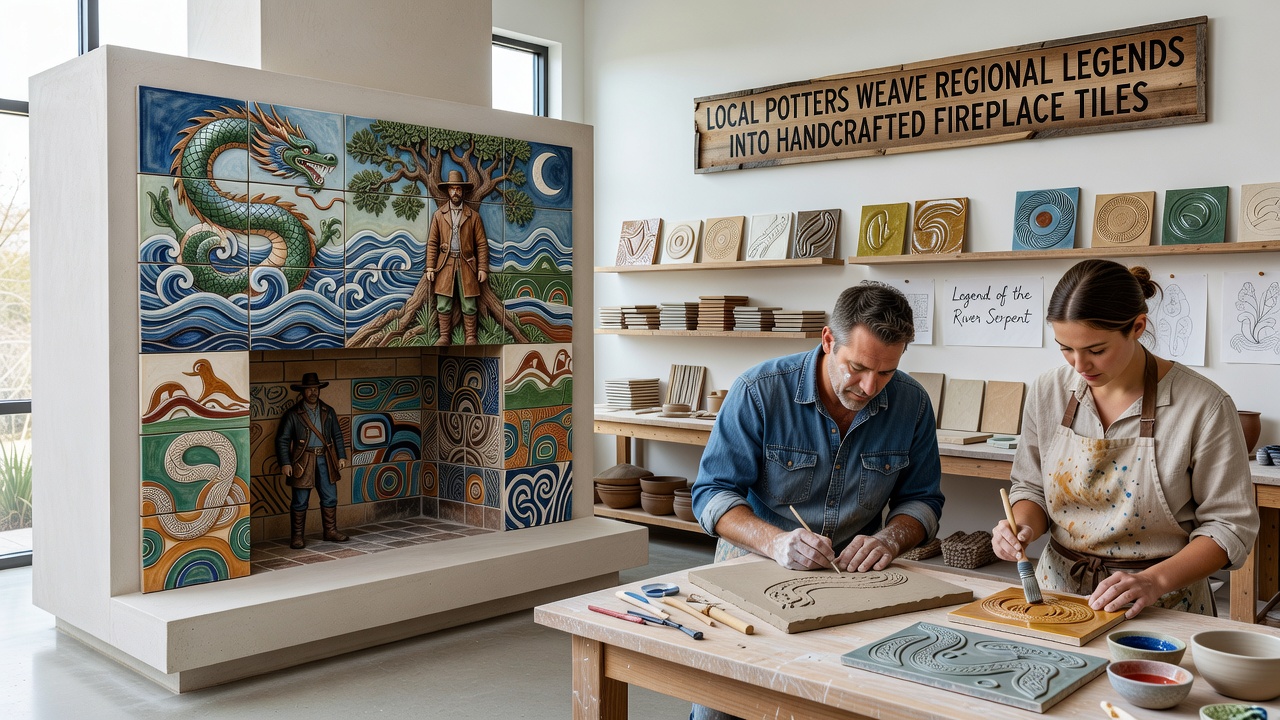
Workshops maintain archives of motif sketches that date back several generations, and apprentices learn to adapt older drawings to new tile sizes without altering core symbolic meanings. Data compiled by the Australian Council for the Arts shows that similar preservation efforts in Oceania have increased the number of documented legend-based ceramic lines by 18 percent over the past decade, although direct comparisons remain limited by differing measurement standards across countries.
Production Timeline and Material Sourcing
Each production cycle lasts approximately six weeks from clay mixing through final inspection, and the schedule includes designated periods for community consultation so that story accuracy stays intact. Suppliers provide clays from deposits within a 50-mile radius whenever possible, which reduces transport emissions and keeps the material composition consistent with historical examples. Kilns operate on schedules that accommodate both electric and wood-fired options, with the latter preferred for certain iron-rich glazes that develop deeper tones during reduction firing.
September 2026 will mark the opening of a traveling exhibition that assembles complete tile sets from five different regions, allowing visitors to compare how the same legend type receives distinct visual treatments based on local clay bodies and carving styles. Organizers have confirmed that the display will rotate through community centers rather than large museums to maintain accessibility for the source populations.
Market Demand and Distribution Patterns
Retail outlets report steady orders from restoration contractors who specify these tiles for historic home renovations, and the pieces also appear in new construction projects where owners request custom narrative elements. Pricing structures vary according to the complexity of the carved designs, with simpler geometric patterns costing less than those that include multiple human or animal figures. Studios typically fulfill between 40 and 60 custom commissions each quarter, and lead times extend during peak renovation seasons in spring and fall.
Conclusion
The integration of regional legends into handcrafted fireplace tiles continues through established networks of potters, material suppliers, and community storytellers who coordinate their efforts across multiple production stages. Documentation efforts by government cultural agencies and arts councils provide baseline data that supports ongoing practice without prescribing specific designs. As new generations of artisans enter the workshops, the same methods of motif selection and firing refinement remain central to preserving both the physical durability of the tiles and the narrative content they carry.