Greta Richter · 30 September 2026
Urban Newcomers Find Connection Through Hearth Gatherings
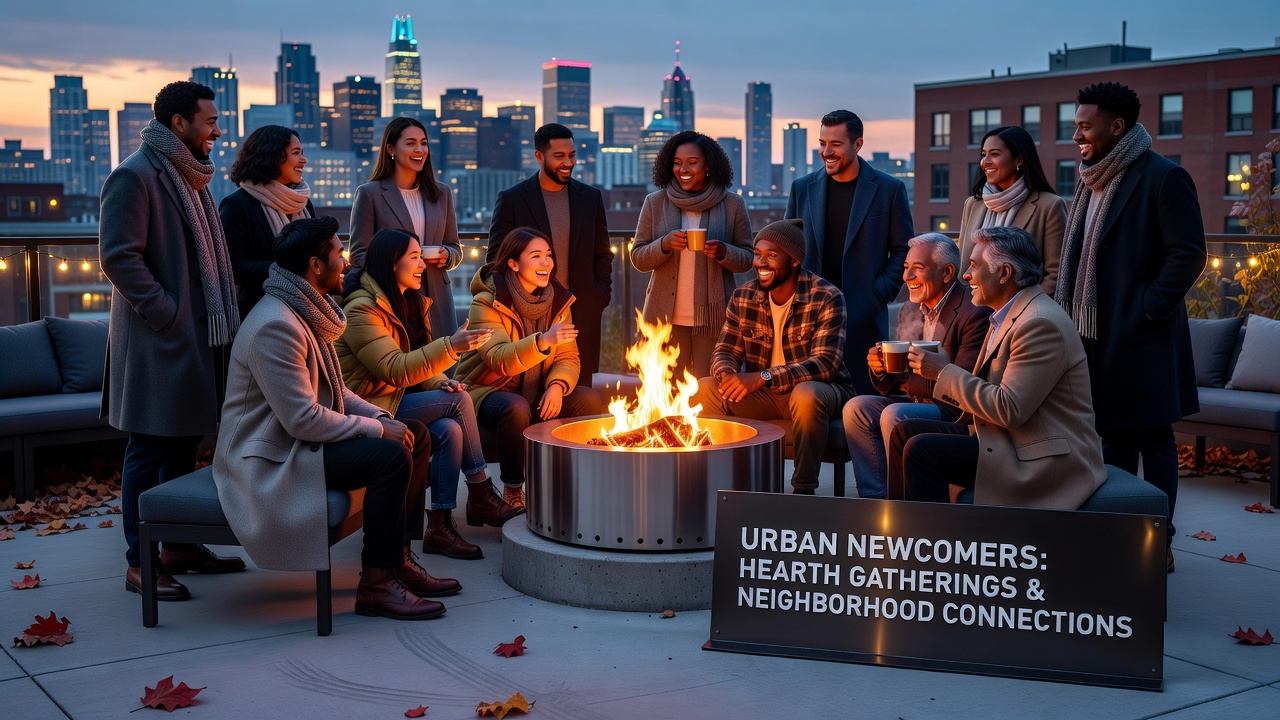
Urban newcomers continue to organize hearth gatherings as a practical response to shifting city demographics and housing patterns, with data from multiple regions showing increased participation in shared fireplace and fire-pit events since 2023. These gatherings typically center on communal spaces equipped with hearths where residents cook, converse, and participate in seasonal activities, and records indicate that such events have expanded in cities across North America and Europe as migration to urban cores accelerates. Researchers at academic institutions have tracked these trends through longitudinal surveys that document how newcomers use these settings to establish recurring social routines rather than relying solely on digital platforms for introductions.
Patterns in Urban Migration and Social Infrastructure
Population statistics released by Statistics Canada in September 2026 reveal that net internal migration to mid-sized cities rose by 12 percent between 2024 and 2026, with many newcomers citing proximity to established neighborhoods as a factor in relocation decisions. This movement coincides with municipal investments in public hearth installations within parks and community centers, where local governments have allocated portions of housing development budgets to outdoor gathering infrastructure. Observers note that cities such as Toronto and Vancouver have added dozens of permitted fire-pit locations since 2022, and usage logs from those sites show consistent attendance by residents who arrived within the previous five years.
Similar infrastructure projects appear in European urban districts, where planners reference Eurostat reports on social cohesion that link accessible communal spaces to measurable reductions in reported isolation among recent arrivals. These reports compile household survey responses that track how often residents attend structured outdoor events, and the figures indicate higher engagement rates in neighborhoods equipped with permanent hearth facilities compared with those without.
Mechanics of Hearth-Based Events
Organizers structure hearth gatherings around predictable schedules, often holding weekly or bi-weekly sessions that rotate between private courtyards and public parks. Participants bring simple prepared dishes or ingredients for communal cooking over the fire, while facilitators maintain safety protocols and manage reservation systems through neighborhood association apps. Data collected by city recreation departments demonstrate that these events accommodate groups ranging from eight to thirty individuals, and attendance records indicate repeat participation among newcomers who initially attended after receiving printed flyers or digital invites from building managers.
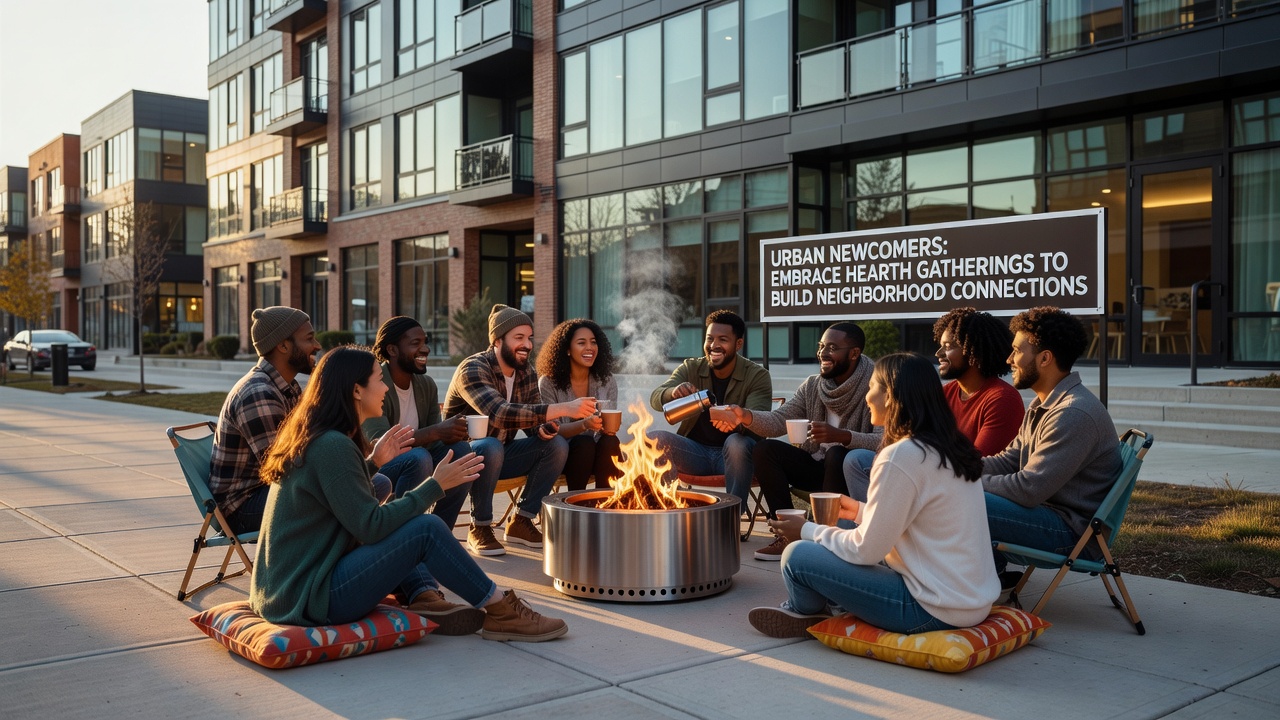
Event formats vary by season, with summer sessions emphasizing outdoor fire pits and winter sessions moving to indoor common rooms that feature restored or newly installed fireplaces. Municipal permitting offices report that applications for temporary hearth-use permits increased steadily through 2025, and the documentation shows that many applicants reference neighborhood association bylaws that explicitly encourage such gatherings as part of community-building mandates. Researchers who reviewed permit applications across three Canadian provinces found that 68 percent listed newcomer integration as a stated purpose, according to aggregated municipal data.
Documented Outcomes from Community Records
Neighborhood association minutes and follow-up surveys compiled by local governments provide quantitative indicators of connection formation. In one documented series of gatherings held in a Portland district between January and June 2026, 41 percent of first-time attendees returned for at least three subsequent events, and follow-up questionnaires recorded new neighbor introductions that led to shared resource arrangements such as tool libraries and childcare swaps. These outcomes align with findings from a University of Melbourne study on urban social infrastructure that examined similar hearth-centered programs in Australian cities and noted parallel patterns of repeated attendance correlating with self-reported increases in local network size.
City planning departments have begun incorporating hearth facility counts into annual livability assessments, citing the same Eurostat methodology that weights access to shared outdoor amenities as a variable in cohesion indices. The assessments compile geospatial data on facility locations alongside census tract demographic information, producing maps that highlight clusters where newcomer populations overlap with recently installed hearth infrastructure.
Conclusion
Records from multiple jurisdictions establish that hearth gatherings function as one mechanism among several that urban newcomers employ to develop neighborhood ties, with participation data reflecting steady growth through 2026. Municipal documentation, academic surveys, and usage statistics together illustrate how physical hearth infrastructure intersects with migration patterns to create recurring opportunities for structured interaction. As cities continue to record population shifts and expand shared amenity inventories, the operational details of these gatherings remain embedded in local permitting processes and association records that track attendance and follow-up activities without attributing subjective value to the outcomes.